Brushing your teeth seems simple — but most people are doing it slightly wrong.
As dentists, we see this every day. People brush twice a day, use toothpaste, and still end up with gum disease, decay, or sensitive teeth.
The issue usually isn’t effort — it’s technique.
This guide explains how to brush properly, what to avoid, and how to get the most out of your daily routine.
How long should you brush for?
- 2 minutes, twice a day
- Morning and last thing at night (the night brush matters most)
Many people stop at 30–45 seconds without realising. If you’re using an electric toothbrush, let the timer guide you.
The biggest mistake: brushing too hard
Brushing harder does not clean better.
Brushing too hard can:
- Damage gums
- Wear away enamel
- Cause sensitivity
- Lead to gum recession over time
If your toothbrush bristles splay out quickly, you’re brushing too hard.
💡 Tip: Hold the brush lightly — like holding a pen, not a hammer.
The correct brushing technique
Whether you use a manual or electric toothbrush:
- Angle the brush slightly towards the gum line
- Use small circular movements
- Spend time on each tooth — don’t scrub back and forth
- Clean:
- Outer surfaces
- Inner surfaces
- Chewing surfaces
With an electric toothbrush, guide the brush — don’t scrub. Let it do the work.
Don’t forget the gum line
Plaque builds up where the tooth meets the gum.
If this area isn’t cleaned properly:
- Gums become inflamed
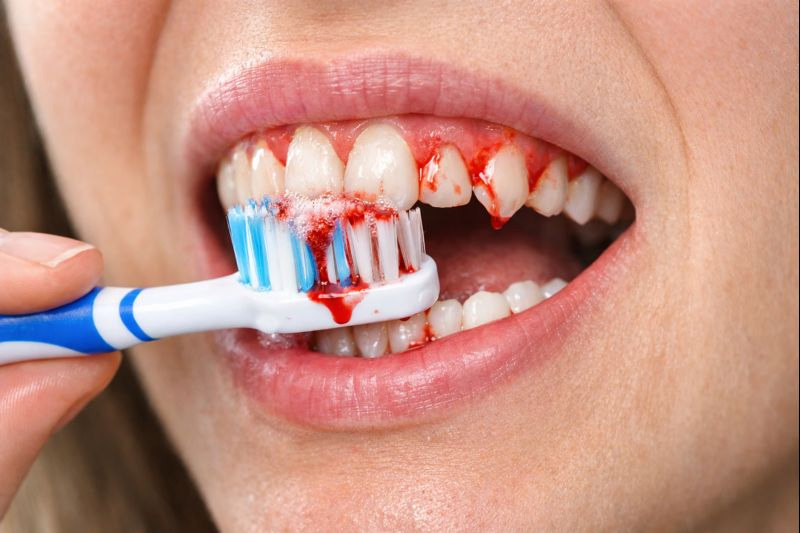
- Bleeding may start
- Gum disease can develop silently
Gentle brushing at the gum margin is essential — it should never be painful.
What toothpaste should you use?
- Use a toothpaste containing fluoride
- Adults should use 1,350–1,500 ppm fluoride
After brushing:
- Spit, don’t rinse with water
- This keeps fluoride on the teeth longer and helps protect against decay
Common brushing myths
❌ “Harder brushing cleans better”
❌ “If my gums bleed, I should avoid brushing them”
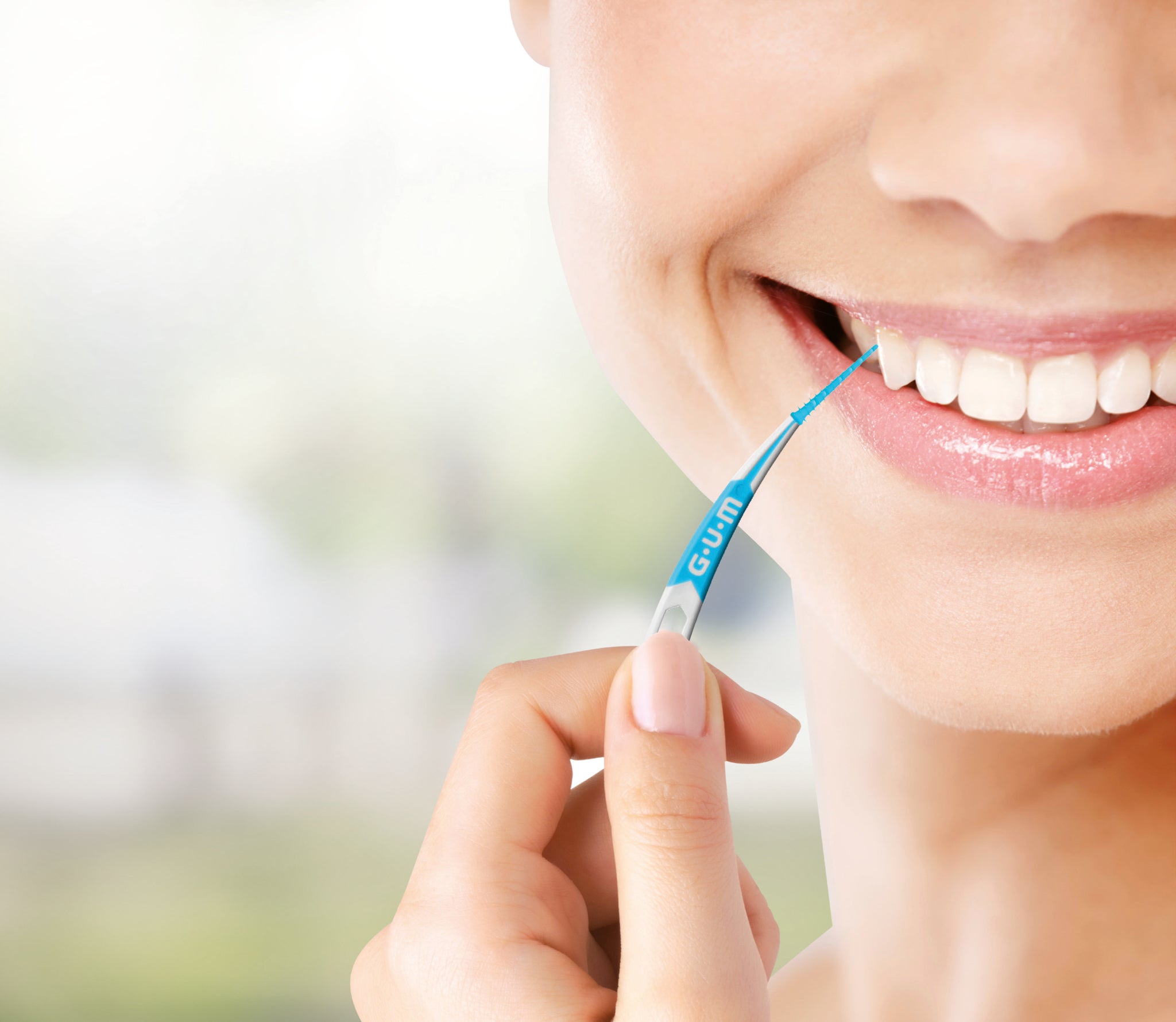
❌ “Quick brushing is fine if I floss”
Bleeding gums usually mean inflammation — gentle, consistent cleaning is the solution.
If you’re unsure, ask
Everyone’s mouth is slightly different. Crowded teeth, restorations, or gum issues can change how you should brush.
Your dentist or hygienist can:
- Check your brushing technique
- Recommend the right brush
- Show you exactly where plaque builds up
Key takeaway
Good brushing isn’t about force — it’s about time, technique, and consistency.
Small daily habits make the biggest difference to long-term oral health.
Within the body of your blog post lies the heart of your message. Break down your content into coherent sections, each with a clear heading that guides readers through the narrative. Dive deep into each subtopic, providing valuable insights, data, and relatable examples. Maintain a logical flow between paragraphs using transitions, ensuring that each point naturally progresses to the next. By structuring your body content effectively, you keep readers engaged and eager to learn more.