Most people think gum disease is painful.
It usually isn’t.
That’s the problem.
Gum disease often starts silently, progresses slowly, and only becomes obvious when damage has already occurred. The earlier it’s caught, the easier it is to treat.
What is gum disease?
Gum disease (periodontal disease) starts with plaque building up around the gum line.
If not removed properly, it causes inflammation.
There are two main stages:
Gingivitis – Early, reversible inflammation
Periodontitis – More advanced, can lead to bone loss and tooth mobility
Catching it at the gingivitis stage makes a huge difference.
Early warning signs
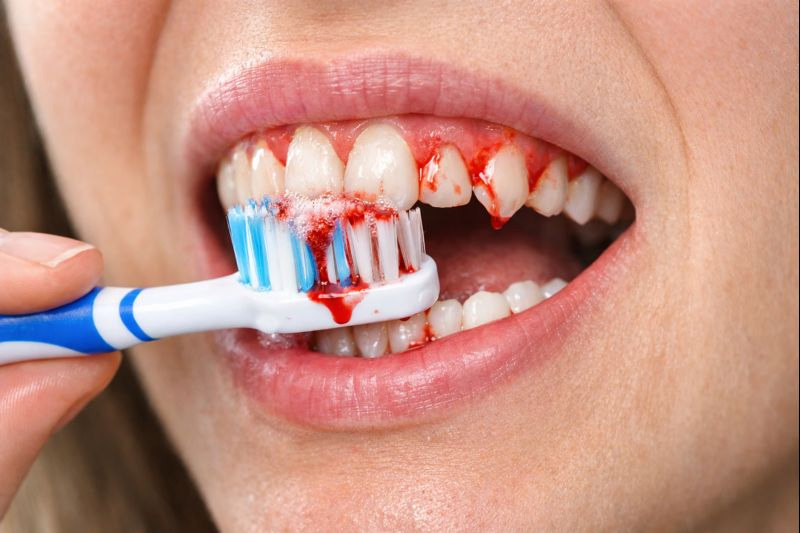
1. Bleeding when brushing or flossing
Bleeding gums are not normal.
Even occasional bleeding can be a sign of inflammation.
2. Red or swollen gums
Healthy gums are pale pink and firm.
Inflamed gums often look darker, shiny, or puffy.
3. Bad breath that doesn’t improve
Persistent bad breath can be linked to bacteria collecting around the gums.
4. Gums pulling away from teeth
If teeth start looking slightly longer, gum recession may be developing.
5. Mild tenderness
Early gum disease may feel slightly uncomfortable — but rarely painful.
Why people ignore it
- “It only bleeds sometimes.”
- “It doesn’t hurt.”
- “It must be my toothbrush.”
Because it’s not dramatic, it’s easy to dismiss.
But untreated gum inflammation can gradually damage the bone supporting your teeth.
Can it be reversed?
If caught early — yes.
With:
- Improved brushing technique
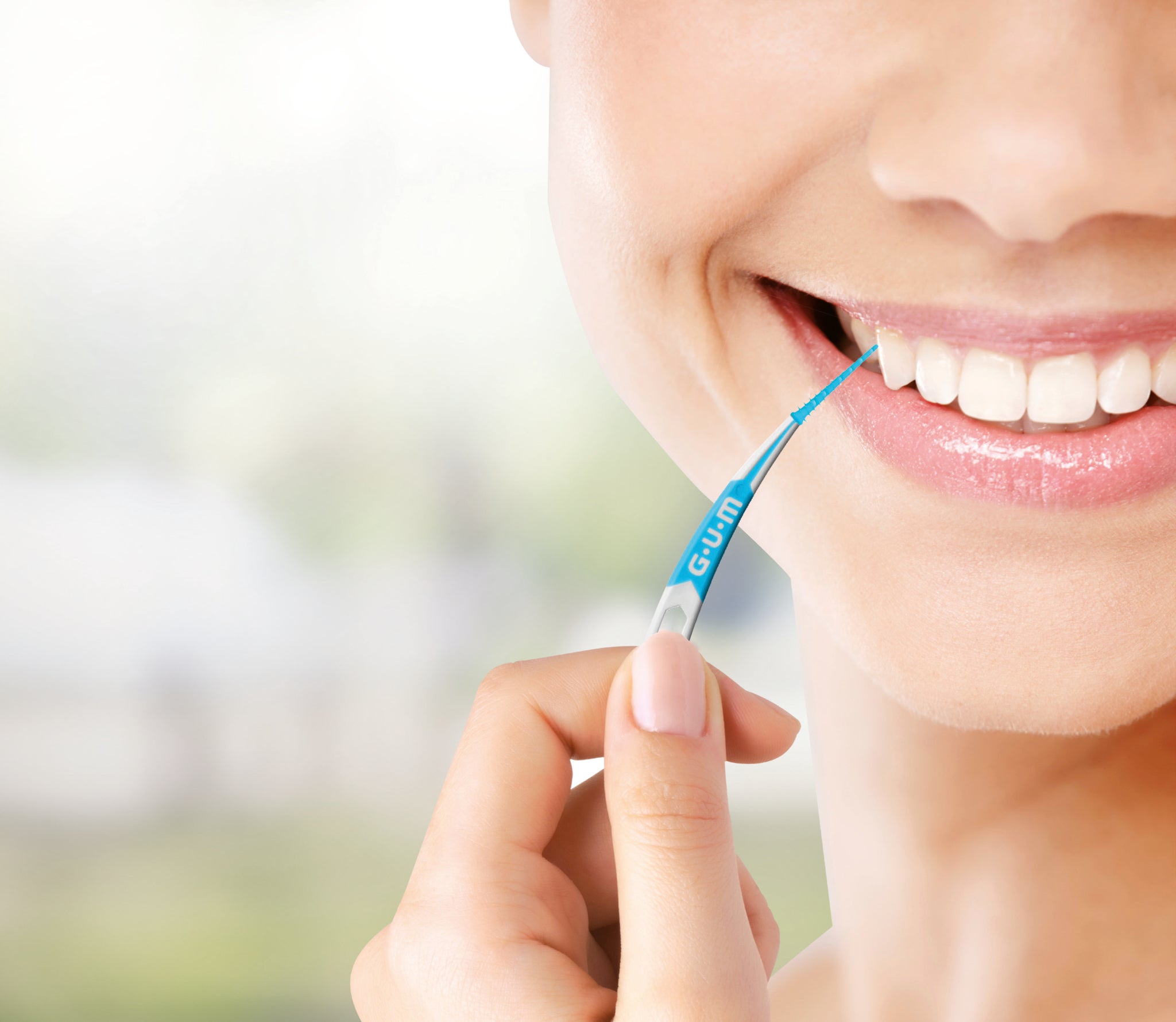
- Daily interdental cleaning
- Professional cleaning when needed
Gingivitis is usually fully reversible.
More advanced gum disease can be stabilised, but early action is always better.
When should you book an appointment?
If you notice:
- Bleeding that continues for more than a week
- Increasing gum recession
- Persistent bad breath
- Gums that feel loose or teeth shifting
It’s worth getting checked.
Often, the fix is simpler than people expect.
Key takeaway
Gum disease is common.
It is usually painless.
And in its early stages, it is highly manageable.
The earlier it’s addressed, the easier it is to protect your teeth long term.