If you brush twice a day, you’re only cleaning about 60% of your teeth.
The rest — the spaces between your teeth — are where plaque hides, gum disease starts, and decay often develops quietly.
This is where flossing tools come in.
But which one should you actually be using?
Why brushing alone isn’t enough
Your toothbrush cleans:
- Front surfaces
- Back surfaces
- Chewing surfaces
It cannot clean properly between teeth — no matter how good your brushing technique is.
That’s why dentists recommend interdental cleaning once a day, ideally at night.
Option 1: Dental floss
Best for:
- Tight contact points
- Younger mouths
- Teeth that sit very close together
Pros
- Very effective when used correctly
- Cheap and widely available
Cons
- Technique-sensitive
- Can be awkward at first
- Easy to skip if rushed
💡 If floss snaps loudly or cuts your gums, you’re likely using too much force or the wrong technique.
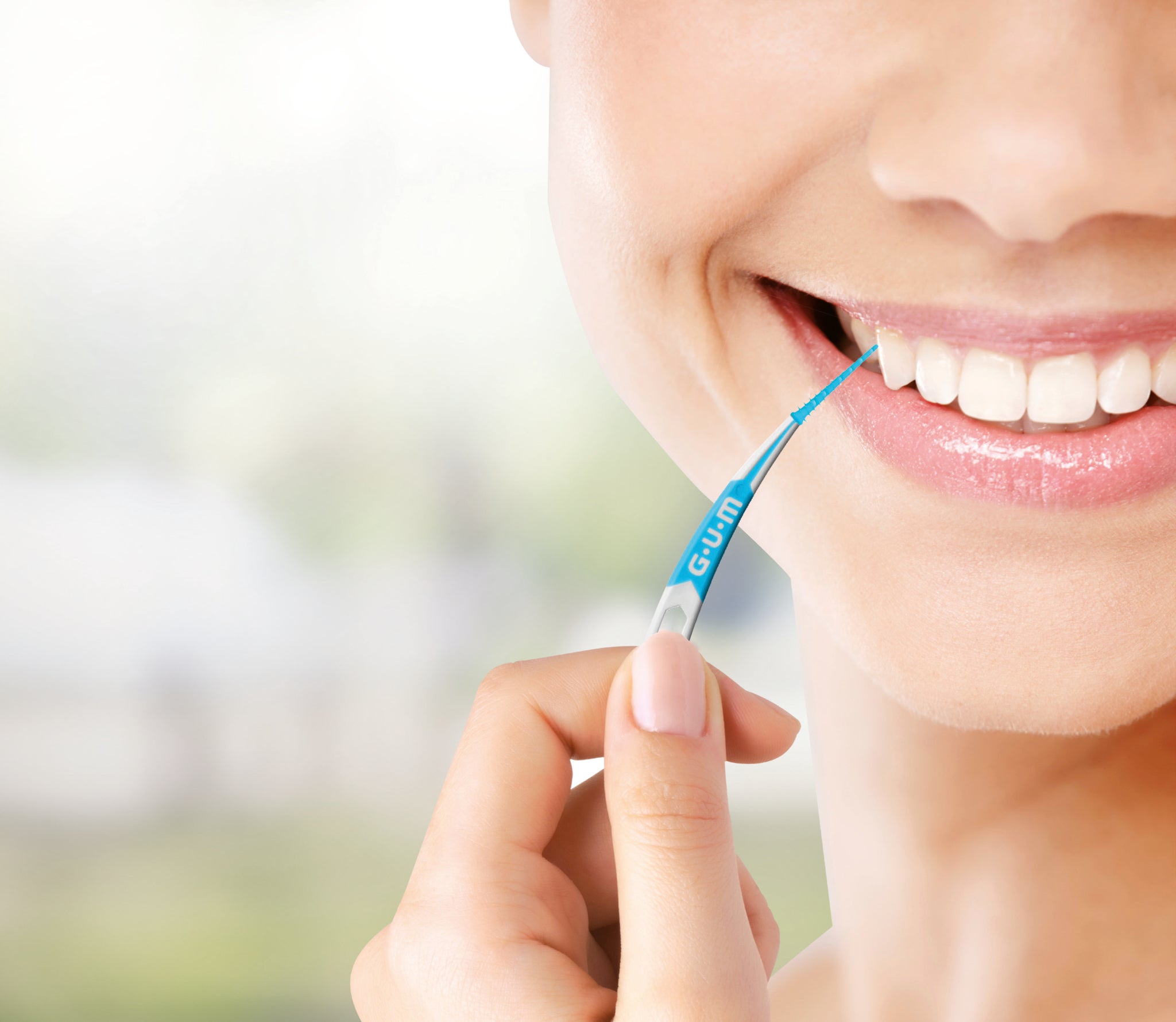
Option 2: Interdental brushes
Best for:
- Slight gaps between teeth
- Gum recession
- After gum treatment or orthodontics
Pros
- Extremely effective
- Easier than floss for many people
- Cleans more surface area
Cons
- Size matters — the wrong size can damage gums
- Not suitable for very tight contacts
Your dentist or hygienist can measure and recommend the correct size for you.
Option 3: Water flossers (water picks)
Best for:
- People who struggle with floss
- Implants, bridges, orthodontics
- Bleeding or sensitive gums
Pros
- Easy and comfortable
- Reduces bleeding and inflammation
- Encourages consistency
Cons
- Doesn’t replace mechanical cleaning fully
- Needs daily use to be effective
Water flossers are better than nothing — and often much better than people expect.
So… which one should you choose?
There’s no single “best” option.
The best interdental cleaner is the one you will:
✔ Use daily
✔ Use correctly
✔ Stick with long-term
Many people use more than one, depending on tooth spacing.
Common mistakes we see
❌ Only flossing when food gets stuck
❌ Forcing interdental brushes that are too big
❌ Thinking a water flosser replaces all other cleaning
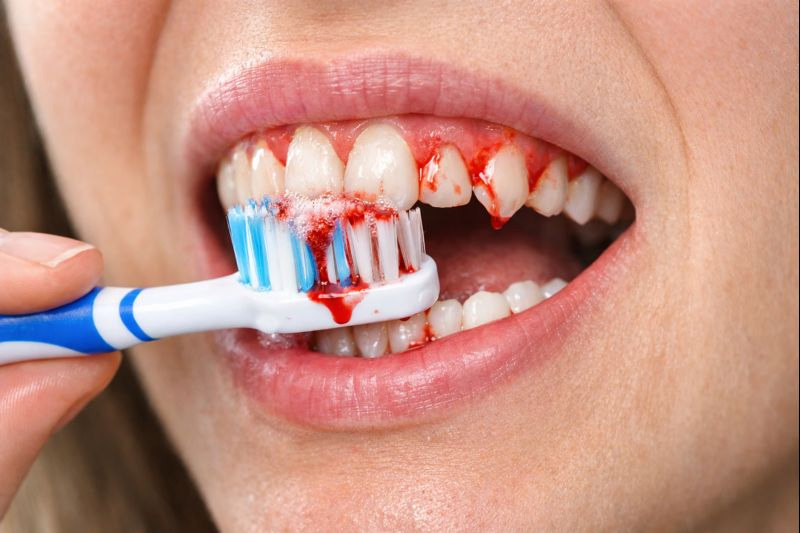
❌ Stopping because gums bleed
Bleeding usually means inflammation — not that you should stop.
If you’re unsure
Your dentist or hygienist can:
- Check where plaque builds up
- Recommend the right tools
- Show you exactly how to use them
A quick demonstration can make a huge difference.
Key takeaway
Brushing cleans teeth.
Interdental cleaning protects gums.
Doing both daily is one of the most powerful things you can do for long-term oral health.