Procedures
If you are frightened of the dentist
Being frightened of dentistry is common and it is not something you have to get over before you can be seen.
The library
Clear, practical information about everyday care, common conditions and dental treatment.
All 27 guides
Procedures
Being frightened of dentistry is common and it is not something you have to get over before you can be seen.

Signs to watch
The great majority of persistent bad breath originates in the mouth, and the single largest source is the back of the tongue — not the teeth.
Children
The amount of toothpaste and the age at which children can brush unsupervised are the two things parents are most often unsure about.
Everyday care
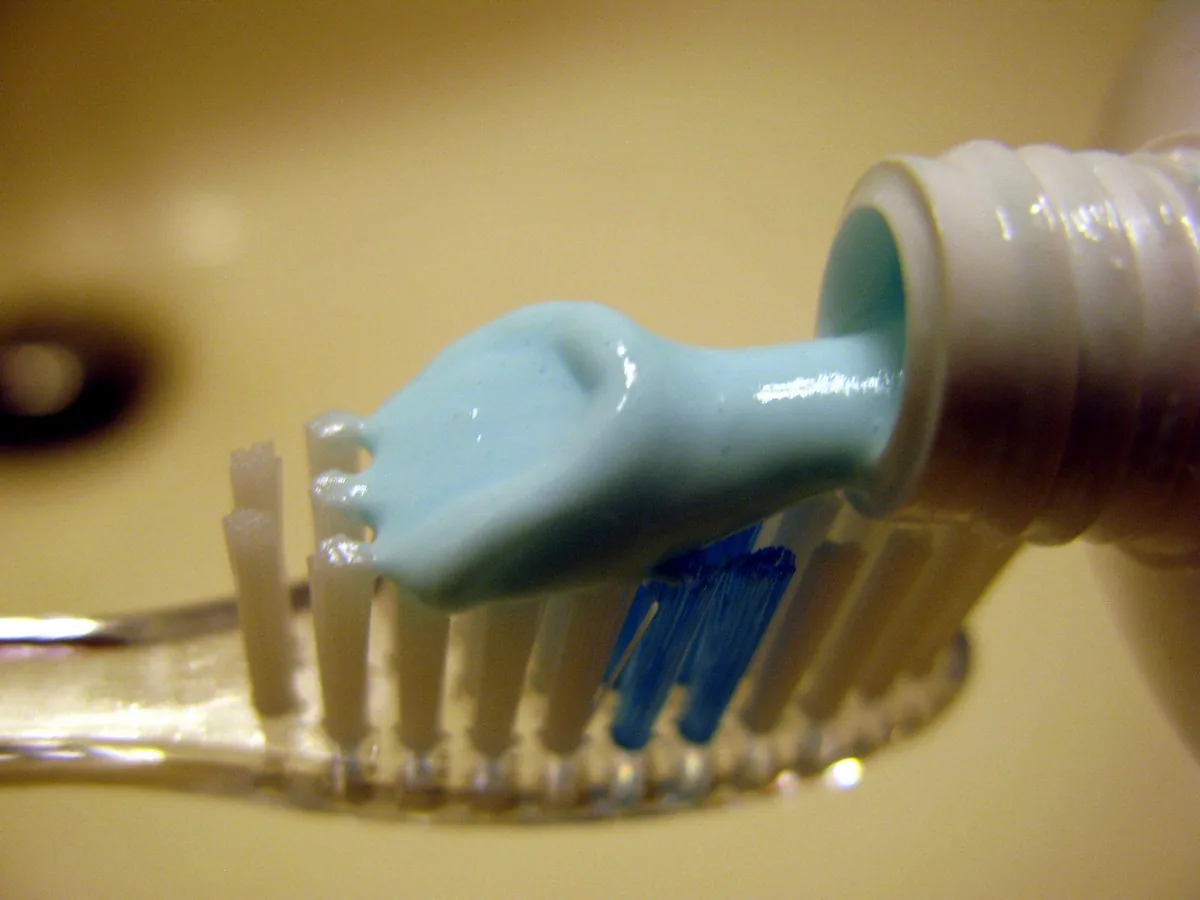
Almost all of a toothpaste’s benefit comes from fluoride, and the concentration is printed in small type on the back.
Procedures
There is a point at which adding more filling material stops strengthening a tooth and starts weakening it.
Procedures
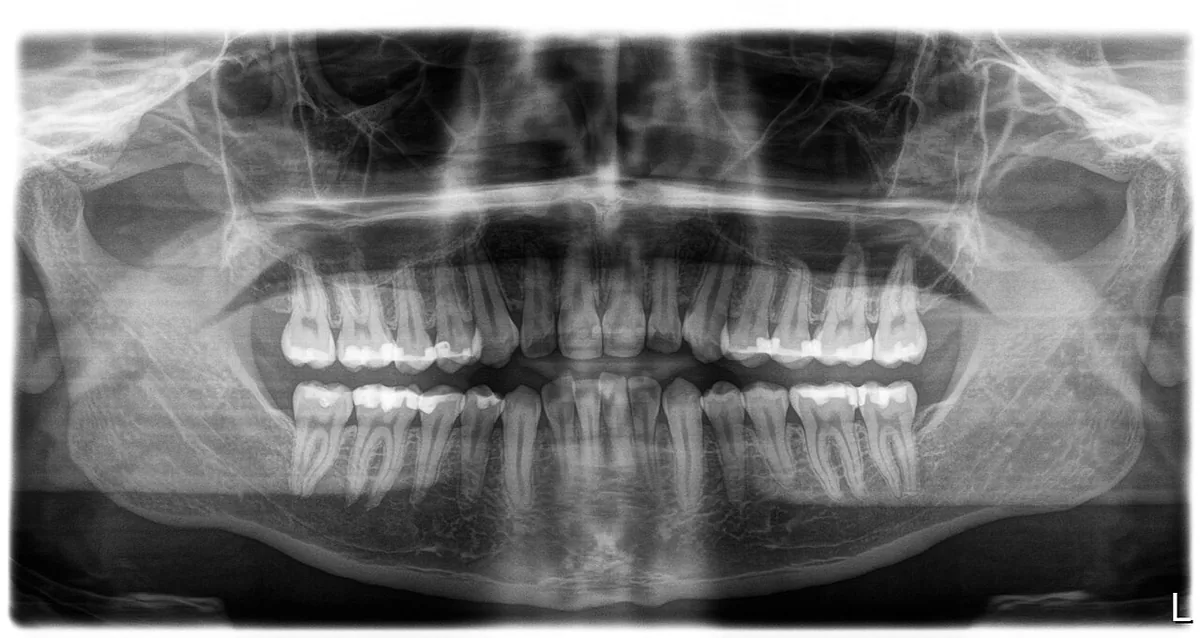
A large share of decay starts in places no examination can see.
Lifestyle
Diabetes makes gum disease more likely and more severe, and severe gum disease makes blood glucose harder to control.

Lifestyle
A custom mouthguard is the cheapest dentistry you will ever buy, measured against what it prevents.
Everyday care
Most people use mouthwash at the one moment it does harm — immediately after brushing, where it rinses away the fluoride they have just applied.

Lifestyle
Hormonal changes make gums react far more strongly to plaque, and morning sickness brings stomach acid to the teeth.
Procedures
Root canal treatment has a reputation it has not deserved for decades.

Lifestyle
Smoking is the biggest changeable risk factor for gum disease and oral cancer, and it hides the warning signs while it does the damage.
Signs to watch
Bruxism wears teeth down slowly enough that people rarely notice until a lot has gone.
Procedures
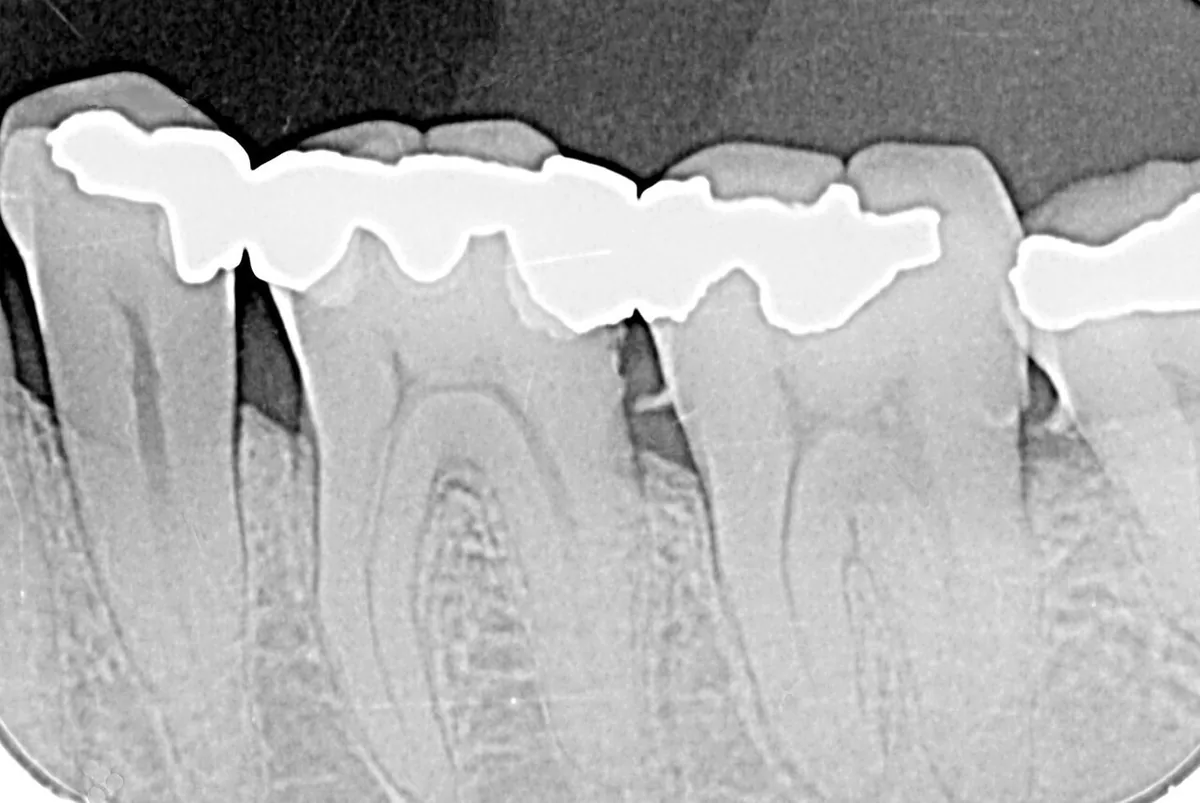
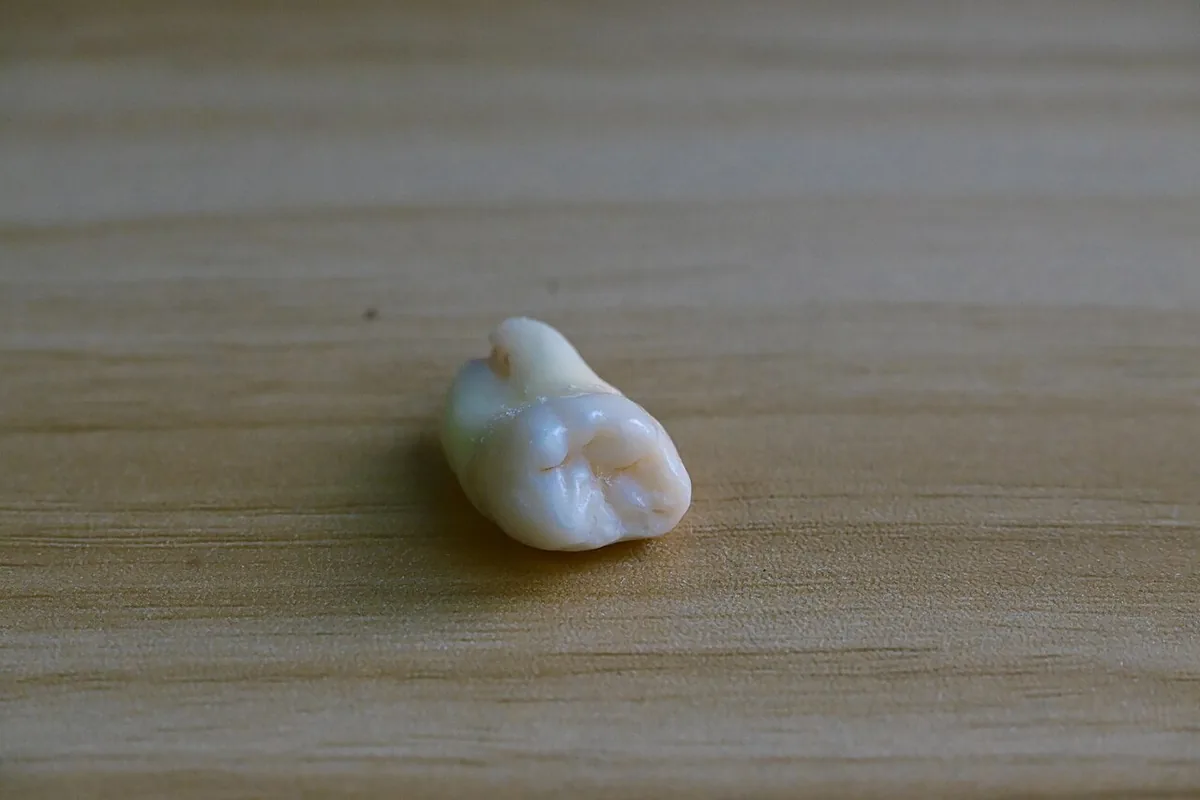
Routine removal of symptom-free wisdom teeth stopped being standard UK practice decades ago.
Children
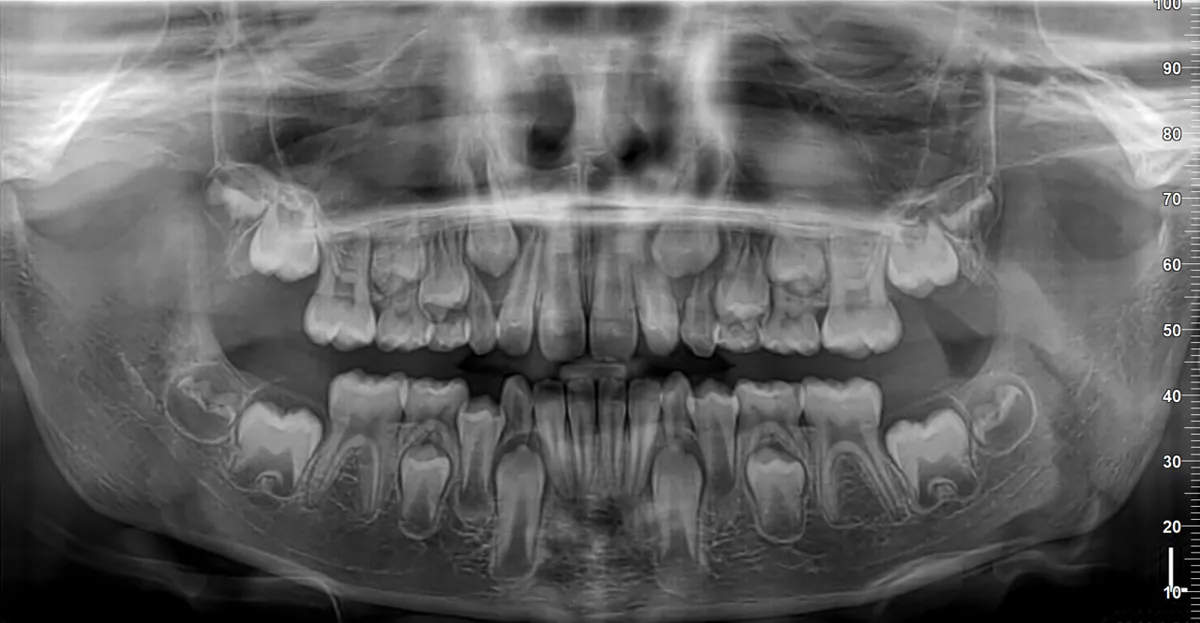
The first visit should happen around the first birthday, and the point of it is not the examination.
Procedures
A routine examination takes about fifteen minutes and is usually completely painless.
Signs to watch
Most cavities give no pain at all until they are well advanced.
Signs to watch
Gum disease rarely hurts until it is advanced, which is why it is so often missed.
Everyday care
A toothbrush cannot reach between your teeth, which is exactly where gum disease tends to start.